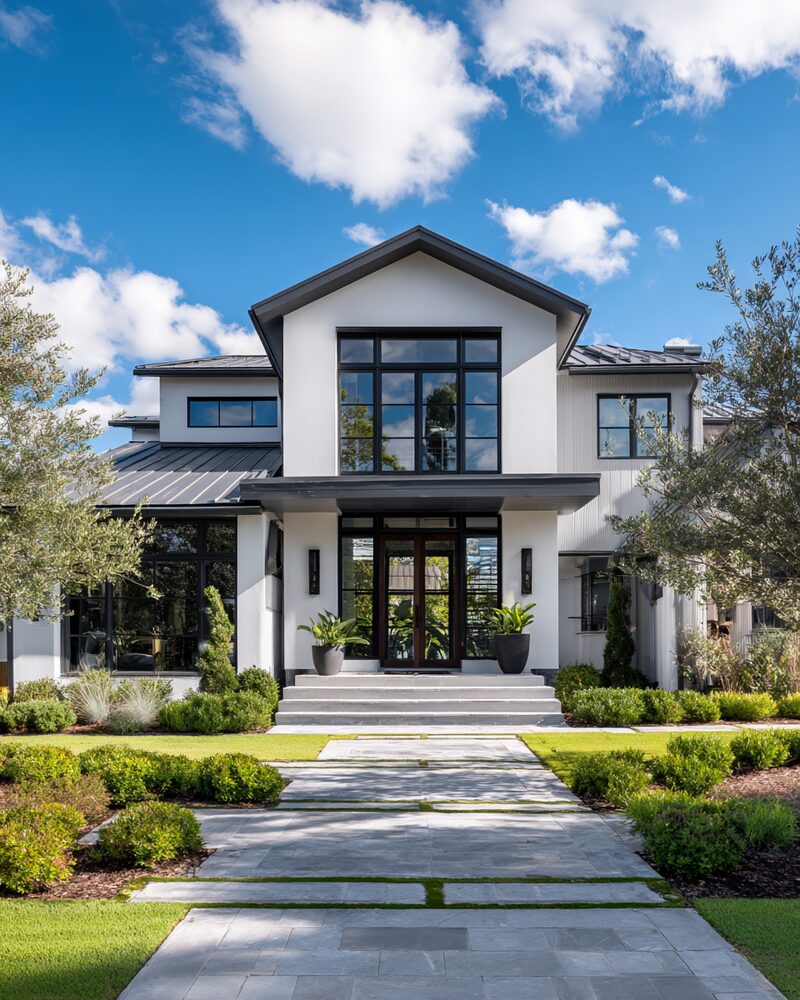
Atlanta real estate moves on both predictable seasonal rhythms and sudden market shifts. Understanding how spring buyers, summer relocators, fall bargain seekers, and winter negotiators behave in different Atlanta neighborhoods gives you a real edge whether you are buying or selling. Below are practical, evergreen strategies tailored to Atlanta GA that will help you make smarter timing and pricing decisions year after year.
Why seasonality still matters in Atlanta
Atlanta combines a diverse mix of intown neighborhoods, growing suburbs, and strong job centers that all react differently to seasonality. Intown areas like Midtown, Inman Park, and Old Fourth Ward often have steady demand year round. Suburban markets such as Roswell, Smyrna, and Alpharetta can spike around the school calendar and relocation seasons. Knowing these patterns lets you position a listing or an offer to maximize value and minimize stress.
Spring: When inventory and buyer competition ramp up
Spring is traditionally the busiest time to list in Atlanta. Increased inventory and buyer interest often push prices higher and days on market lower. For sellers, this means staging, strong curb appeal, professional photos, and well-researched pricing are critical to capture peak demand. For buyers, it means being prepared: secure mortgage pre-approval, have a list of must-haves versus nice-to-haves, and be ready to move quickly when a desirable property hits the market.
Summer: Families, updates and scheduling considerations
Summer appeals to families who want to move between school years and to buyers drawn by more flexible schedules. Sellers benefit from outdoor staging — landscaping, deck and patio presentation, and highlighting pool or yard features. Buyers can use summer to tour more homes and judge neighborhood life at its liveliest. However, expect competition in family-friendly neighborhoods and plan contingencies for longer closing timelines during vacation months.
Fall: Faster closings and motivated sellers
Fall often brings motivated sellers who need to close before year-end or before the holidays. Inventory may drop, but serious buyers can find opportunities as pricing becomes more realistic. For buyers, fall can mean less competition and more negotiating power. For sellers, positioning a home to show well in softer light, emphasizing interior comfort and energy efficiency, and being flexible on closing dates can attract strong, committed buyers.
Winter: Leverage slower markets and seasonal value
Winter can be the best time for buyers seeking value. Fewer listings and less competition often produce attractive deals and sellers who truly need to move. For sellers choosing winter, invest in cozy staging, strong lighting, and clear, safe access for showings. Buyers should use slower periods to negotiate repairs, timing, and concessions without sacrificing quality of property or location.
How to match strategy to your neighborhood
- Intown condos and historic districts: Expect steady interest year round. Prioritize presentation and quick responsiveness to offers.
- Family-focused suburbs: Time listings around school calendars; buyers here often seek move-in-ready homes and local school data.
- New construction and master-planned communities: Inventory pulses with builder incentives and lot releases; watch for seasonal promotions.
Data signals to watch regardless of season
- Days on market (DOM): A rising DOM can signal softening demand or overpricing.
- List-to-sale price ratio: Percentages above 100 indicate multiple-offer environments; below 100 suggests room to negotiate.
- Inventory level: Low supply favors sellers; higher supply favors buyers.
- Mortgage rates: Small rate moves change buyer purchasing power significantly; lock strategies matter.
Practical steps for sellers any time of year
1. Get a neighborhood-specific comparative market analysis to price competitively.
2. Complete small repairs and consider a pre-listing inspection to avoid surprises.
3. Stage for the season: emphasize outdoor living in warm months and cozy interiors in cold months.
4. Market with strong photography and virtual tour options; many buyers start online.
Practical steps for buyers any time of year
1. Get pre-approved and understand local closing costs and timelines.
2. Build a competitive offer strategy: earnest money, inspection windows, and escalation language when appropriate.
3. Factor neighborhood seasonality into your search so you know what to expect after closing (schools, traffic, community events).
A short seasonal checklist to save or earn thousands
- Sellers: Fresh paint, declutter, professional photos, accurate pricing, flexible showing schedule
