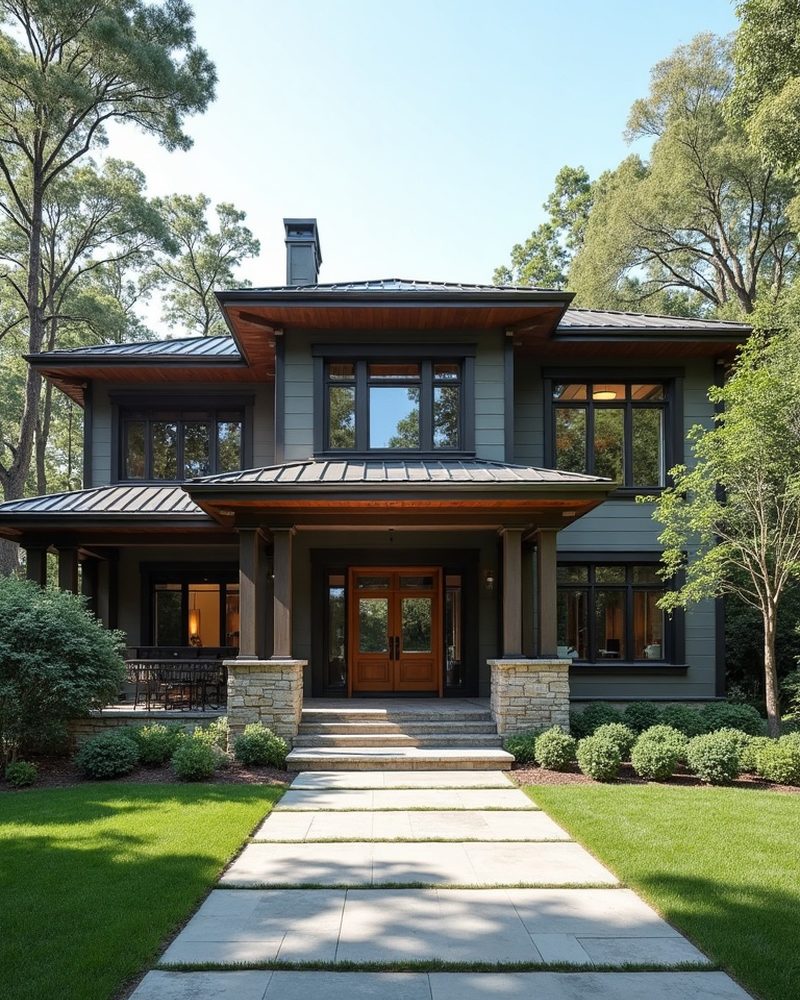
Whether you are searching for homes for sale in Atlanta GA or planning to sell your Atlanta property, some of the smartest moves come from looking closer than neighborhood labels. A single block can tell you more about future value, buyer demand, and day to day living than broad city headlines. This post explains the practical, repeatable signals that matter for buyers and sellers today and will still be useful years from now. Read on to learn how to turn block level insight into confident decisions that work in Atlanta's varied market.
Start with who will live there next. Buyers and investors in Atlanta are drawn to different blocks for predictable reasons: walkability to coffee, quick MARTA access, tree canopy, school zones, and nearby greenways or parks. For sellers, the key question is which of those features your home already sells to. For buyers, it is which features you want to reward you for years. Identifying the next occupant profile for a specific street helps you prioritize upgrades and set realistic price expectations.
Look beyond price per square foot. Two houses on the same block can perform very differently because of simple details: corner lot vs interior lot, driveway versus on street parking, updated systems versus original mechanicals, and how the home sits relative to traffic patterns. Buyers should add a small buffer to their budget for likely repairs and improvements on older Atlanta homes. Sellers should focus on the handful of improvements that buyers on your block consistently expect, not on trends that matter elsewhere in the metro area.
Use commute and transit cues as a market thermometer. In Atlanta, minutes to downtown, Buckhead, or major employment centers are still powerful price drivers, but the real variable is predictability. Is your street consistently quicker because of a less congested route, or do daily backups make the commute unreliable? Proximity to a BeltLine trailhead, a MARTA station, or a frequent bus corridor can make a street more attractive to millennial and empty nest buyers who prioritize access over size. Factor perceived commute quality into your buying offer or your seller pricing conversation.
School zones and nearby choices influence demand in ways that last. Even when buyers do not have school-aged children, school district boundaries affect resale comparisons. Know the exact attendance lines for the block you are considering and how local charter and private options play into buyer preferences. For sellers, framing your listing with accurate school details and local enrollment trends reduces buyer uncertainty and speeds transactions.
Micro upgrades deliver outsized returns on many Atlanta blocks. Practical improvements that often pay back quickly include modernizing kitchen surfaces, improving primary bathroom function, adding fresh paint and trim, upgrading lighting and electrical capacity, and repairing or replacing roof and HVAC when needed. Outdoor curb appeal matters: mow, prune, and add simple plantings. Buyers view these as signs the home has been cared for and will often pay a premium for move in readiness on highly desired streets.
Staging and photography should show the life of the street not just the interior. Highlight proximity to neighborhood features in listing photos and descriptions: a tree lined street, a neighborhood market, a short walk to transit, or a sunny pocket park. Buyers shopping online are making decisions block by block before they drive through. Sellers who tell the story of the street clearly attract better-qualified showings and stronger offers.
Know local regulations and development signals. Watch for city planning projects, rezoning requests, or new multifamily developments near your block. Those items change demand and can either lift values or create competition. Permit activity is a great early indicator of investment momentum; increased renovation or build permits in a block or nearby corridor often precede demand shifts. Buyers should budget for these potential shifts. Sellers can use positive development news to justify a stronger list price.
Pricing and offer strategy depends on the block rhythm. On a fast-moving street with multiple comparable sales in recent weeks, aggressive pricing or a clean offer can win. On quieter streets, buyers gain negotiating power. Sellers should work with an agent who knows how similar homes on your specific block have priced and sold, including concessions, inspection outcomes, and near-term appraisal results. That block level context prevents pricing surprises and shortens time on market.
Inspections and disclosures matter more
